

About the Location
The Energiefabriek: From cowhair carpets to a creative national monument
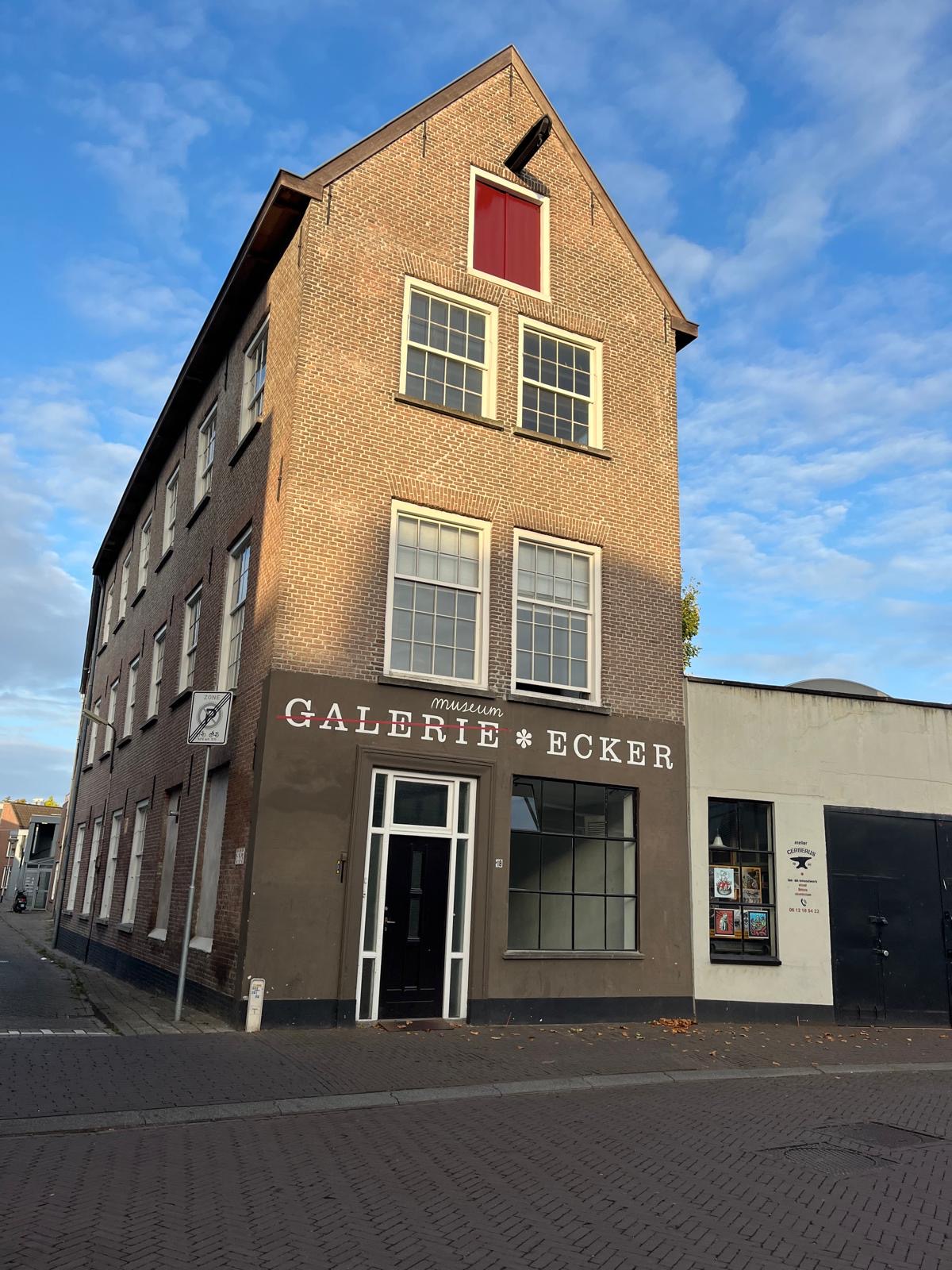
Breda, too, was fully immersed in the Industrial Age during the 19th century. Factories sprang up to enable larger-scale production, including this former cowhair carpet factory (built between 1829 and 1925). It certainly wasn’t easy for the workers to spend all day weaving cowhair carpets here, even though the building was brand-new and designed specifically for this purpose. The large and numerous windows provided much-needed natural daylight. If you look up at the gable, you can still see the original hoisting hatch and hoisting beam from that era.
From the perspective of industrial architecture, this is a rare and remarkable building. After the demolition of Breda’s city walls in the 19th century, manufacturers switched to a different type of factory: expansive, single-story halls with skylights in the roof. This makes this tall carpet factory a unique relic from the earliest period of industrial construction.
Over the years, the building has been home to an impressive array of occupants. After the carpet factory closed, the electrical engineering firm Rogier, Smagghe & Co. moved in in 1901. In 1913, the Van den Biggelaar brothers’ tobacco factory took over, followed by Van Gils & Co. Sewing Supplies, which was based there from 1948 to 1986.
More than 150 years later, that abundance of natural light proved to be an ideal solution for new residents. Sculptor Hein Koreman immediately recognized the building’s potential for creative artists and set up his studio there, where he worked until his death in 2012. Koreman is the creator of “De Vlucht” (The Flight), the famous war memorial in Park Valkenberg dating from 1957. The sculpture of a mother and child symbolizes the tens of thousands of Breda residents who were forced to evacuate on May 12, 1940. Because the fleeing families ran straight into the front line, the evacuation plan backfired disastrously.
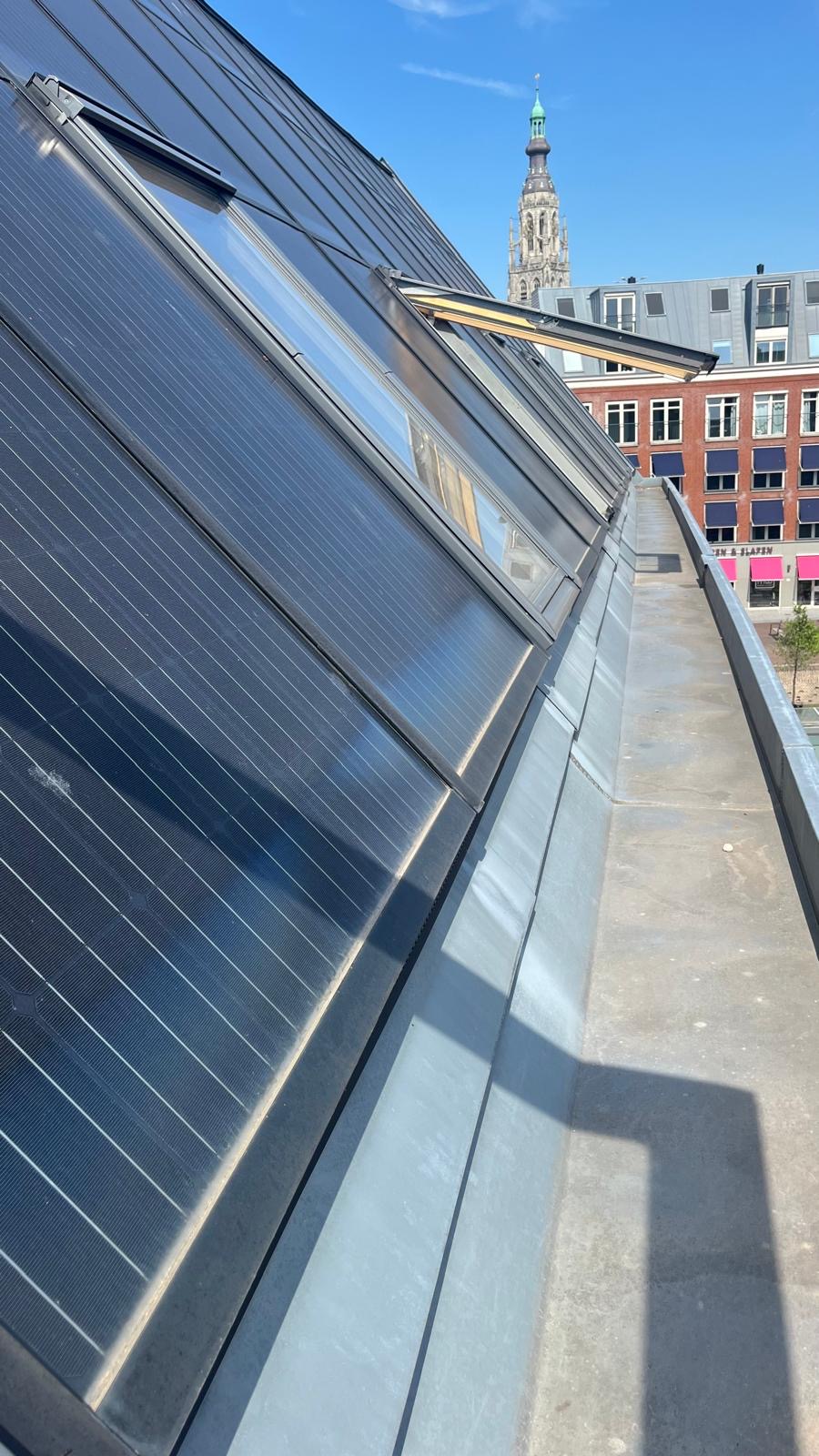
In addition to Koreman’s studio, the municipality transformed the building into studio spaces and residences, and for the past 20 years it has also been known as Galerie Ecker. Since its extensive renovation in 2015, this national historic landmark has been known as “De Energiefabriek.” The entire south-facing roof on the rear side was then fitted with solar panels—a contemporary addition that was embraced by the municipality at the time as a successful pilot project.
Activities
Attic Tour
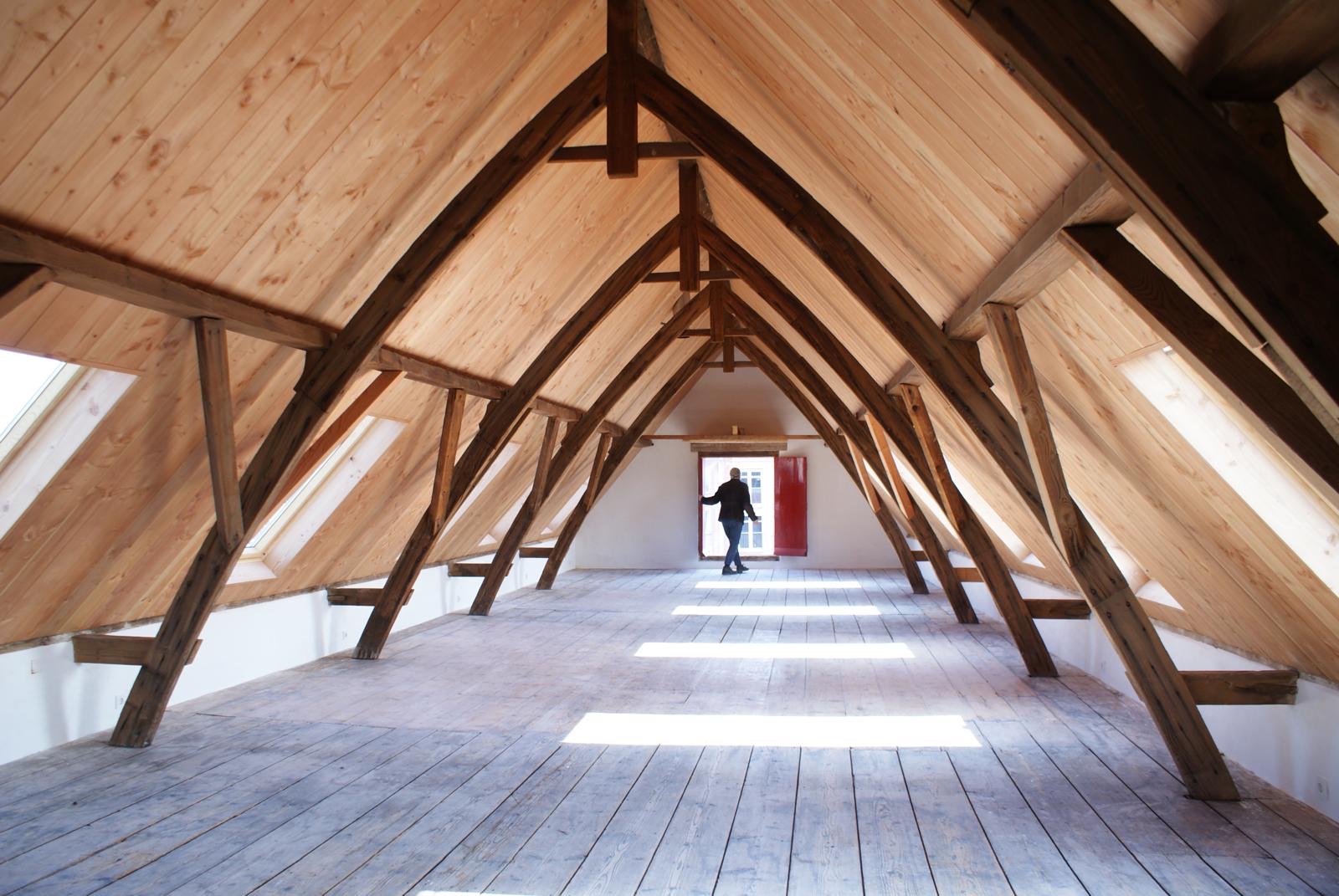
During Breda’s Open Monument Day, you’re welcome to admire the impressive transformation and restoration from the inside. Through the entrance on Achterom, you’ll climb the stairs to the attic. Here, the current residents will be happy to tell you more about this remarkable example of resilience and sustainability.
You’re welcome to visit at any time during opening hours.
BredaPhoto Exhibition
Over the weekend, Galerie Ecker will host a BredaPhoto exhibition. For more information, visit bredaphoto.nl.